Tuesday 6 October 2026Coral Wire · today’s wire
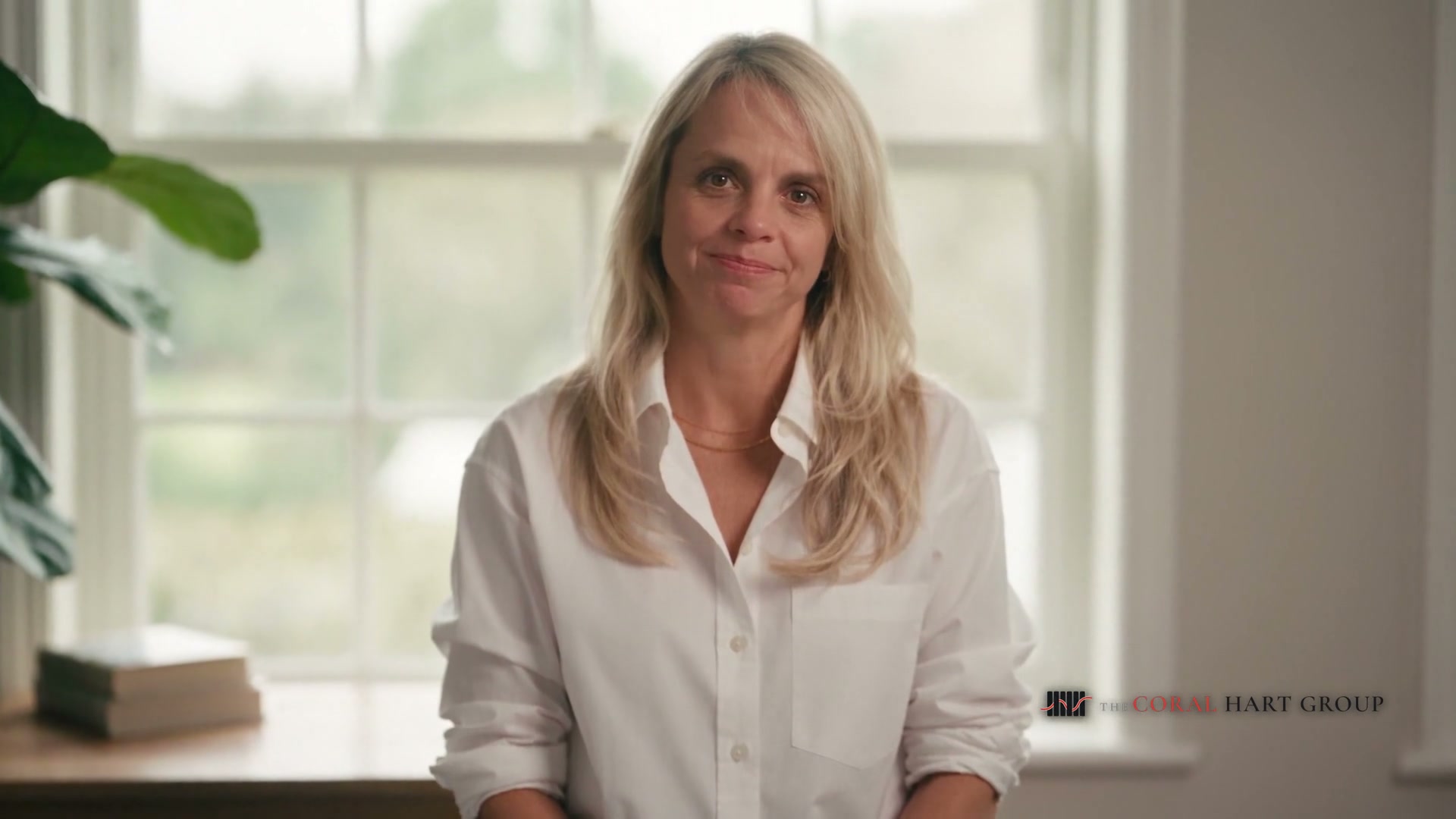
Bios, a headshot, approved talking points, the interviews, the press archive, and the receipts. Details right, fast.
Press enquiries are answered personally within 48 hours. For keynotes and festivals, see Speaking.

Coral Hart wrote 216 novels across 21 pen names in 15 years, then got 10,000 death threats for admitting she’d used AI. The bestselling romance novelist, Imbali Award winner and founder of PlotProse is the voice publishing turns to on AI, featured in The New York Times and NPR’s 1A.
Coral Hart wrote 216 novels across 21 pen names in 15 years and got death threats from 10,000 strangers for admitting how. The bestselling romance novelist and founder of PlotProse is now one of publishing’s most-quoted voices on AI, featured in The NYT, NPR’s 1A, Brave New Bookshelf and Writing With AI, not because she apologises for the tools but because she doesn’t. She has taught 2,400+ authors her craft-first Coral Method. On the record: “I stopped being a writer a long time ago and became a publisher who writes.”
Coral Hart started in 2010 under a different name. Fifteen years and every part of the industry, traditional, hybrid, indie, ghostwriting, slush-pile reading at a Big Six, editor, proofreader, cover designer, before she ever opened Claude. Pre-AI she wrote 96 novels the old way and won South Africa’s Imbali Award. In February 2025 she set an experiment: could she hit six figures writing AI-assisted fiction in a year with zero paid advertising? The answer came in nine months. Then the NYT put her at the centre of the AI-and-romance conversation.
The Kindle parallel: every wave of disruption since 2010, and what the pattern teaches about who survives.
Market-first, trope-first fiction. The single sentence she teaches, and the discipline behind it.
10,000 death threats in 24 hours, children harassed, pen names doxed. What she learned and what colleagues owe each other.
Creative director, dev editor, line editor, marketer. The role working authors will actually have next decade.
Craft-first AI-assisted publishing: trope mapping, beat sheets, the five-bullet outline rule, when to let AI leave the building.
The distinction most press gets wrong: the Anthropic settlement was about piracy, not training. What it means next.
Approved for editorial use with credit to The Coral Hart Group. Anything not listed here, ask.
23 pieces, every link verified. Critical pieces are listed as coverage, not as endorsement.
Long-form interviews. Click to play here.