
Tuesday 6 October 2026Coral Wire · today’s wire
Fifteen years in publishing. A coaching business, twenty-one pen names, one New York Times feature, and a very loud conversation about what authorship means now. Here’s the whole arc.
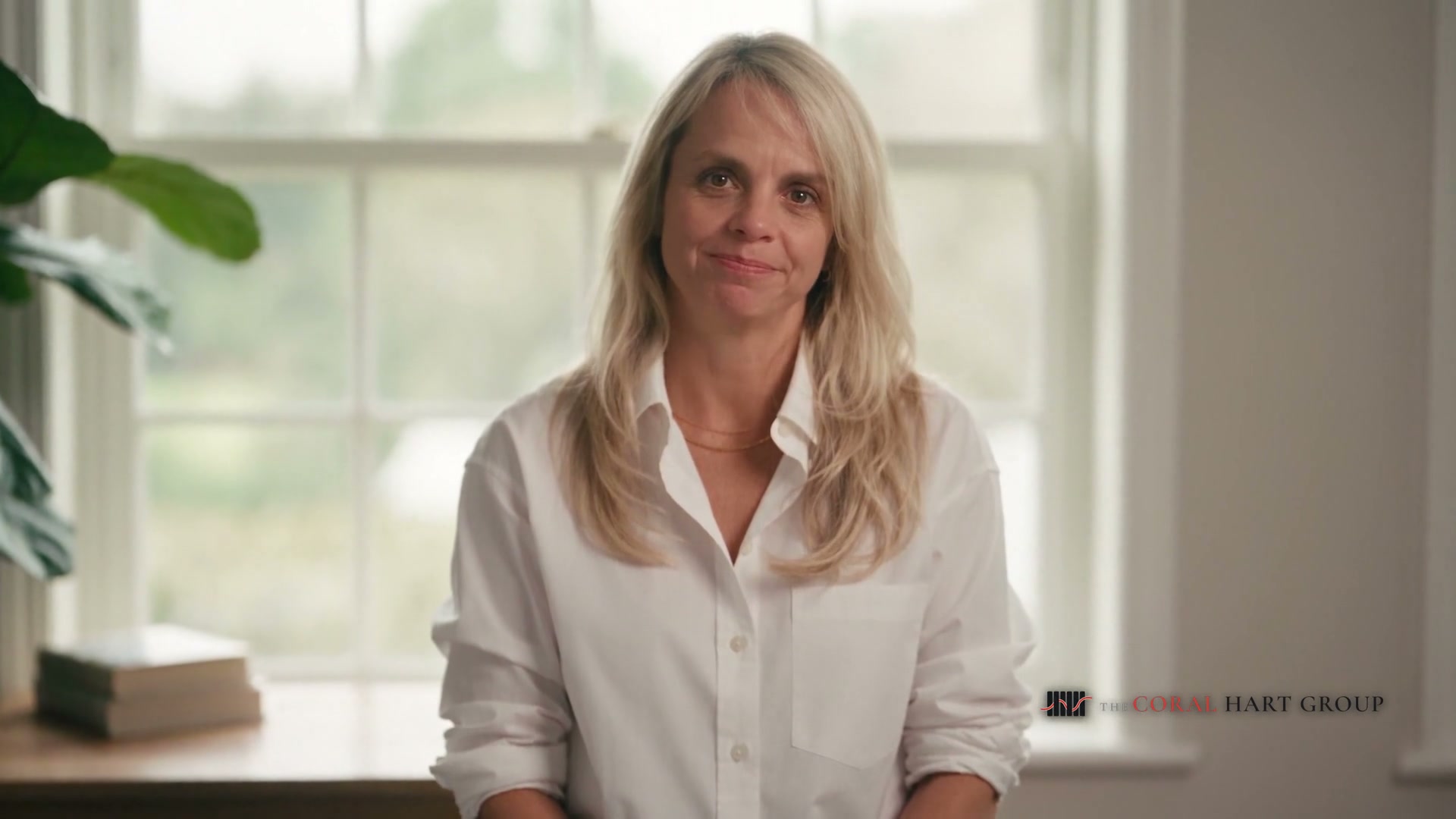
Stories that earn the happily-ever-after, and everything it took to keep making them.
I didn’t start with a bestseller. I started with every other job in publishing: editor, cover designer, ghostwriter, indie publisher. I took every job that would teach me what readers actually want, and what the industry keeps getting wrong about it.
By the time I wrote my first novel under my own name, I’d read a thousand manuscripts that didn’t work, and I knew exactly why. Ninety-six books later, one sentence at a time, at hours no one wants, I had a readership and an Imbali Award on the shelf.

Not “can AI write a novel”. That question is boring, and the answer is no. The interesting one was quieter: can this thing remove the drudgery, so a working author spends more time on what only a human can do? The voice. The emotional truth. The weight of a sentence that lands.
I tore apart every tool I could find. I broke them. I rebuilt them. I built a workflow, then a better one, then did the only thing I know how to do when something works. I started writing.
216 novels across 21 pen names. High six figures in nine months with zero paid advertising. Then the story stopped being about me publishing novels and started being about every author deserving the tools to tell their story, and build a business around it.
The feature ran. The podcast followed five days later. Every outlet with an opinion on AI had an opinion on me. Some generous, some ugly. There was doxing. There were threats, against me and against my family. Almost none of it asked the craft questions.
If the headlines wouldn’t ask about craft, someone had to. Brave New Bookshelf, twice, before the storm and after. Writing With AI. Indie Author Magazine. And Authors & AI, my show and weekly Substack, because I wanted a room to talk tropes, structure, chemistry, the tools, the business. The whole conversation, not just the headline.
Turns out when you stop being quiet, people start asking the better questions. Author. Entrepreneur. Voice. Same person, three surfaces, one obsession.
Stories that earn the happily-ever-after. Same person, three surfaces, one obsession.
Author · Entrepreneur · Voice